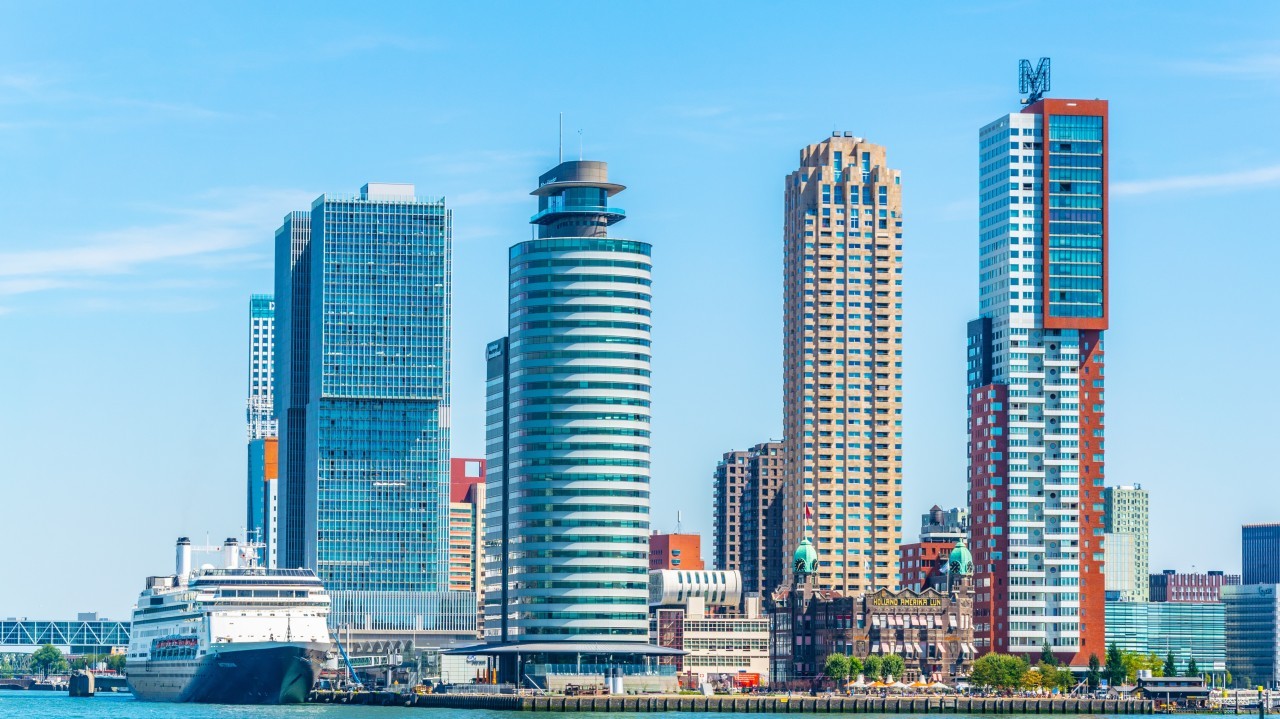
Can your home office really be on a cruise ship? One of the best parts of running your own business is the freedom to shape not just your schedule, but your environment. After 12 intense weeks building our platform, often in very long workdays, I wanted to test that freedom properly.
At the end of February, with a week full of planning, documentation, and bug fixing ahead, I decided to step away from my usual setup and try something different: a Northern Europe cruise as a temporary office.
Why It Made Sense
After comparing office rental, travel, and hotel costs, the cruise option was surprisingly viable. For digital work, especially in AI and software, the essentials are straightforward.
- Familiar territory: I already knew the cruise environment and how to work effectively within it.
- Digital-first workflow: a laptop and reliable internet are the real non-negotiables.
- Product alignment: our platform is built for solopreneurs and small operators working from anywhere, so this was practical validation.
- Cost profile: with a good last-minute rate, the total cost was comparable to office space, accommodation, and travel combined.
How the Week Worked in Practice
The ship was effectively a floating hotel office: stable Starlink connectivity, multiple work-friendly spaces, and enough variety to prevent cognitive fatigue. Productivity was higher than expected. The rhythm of being somewhere without normal domestic interruptions — the car, the chores, the familiar context-switching — forced a cleaner separation between working time and recovery time. That discipline alone was worth the experiment.
- Morning: early deck walk, coffee, and inbox triage.
- Mid-morning: focused work block after breakfast.
- Afternoon: short port reset, then another deep work session.
- Evening: final comms, next-day planning, then downtime.
Takeaway
This experiment reinforced something simple: with the right tools and discipline, productivity is not tied to a conventional office. In a digital-first world, flexibility can be more than a perk. It can be a serious operating advantage.
Freedom, when used well, is a force multiplier. The deeper lesson is about assumptions. Most professionals presume that work quality depends on their physical setup. In practice, it depends more on clarity of intent, reduced interruptions, and managed energy. A stable internet connection and a disciplined schedule matter more than which building you happen to be in.