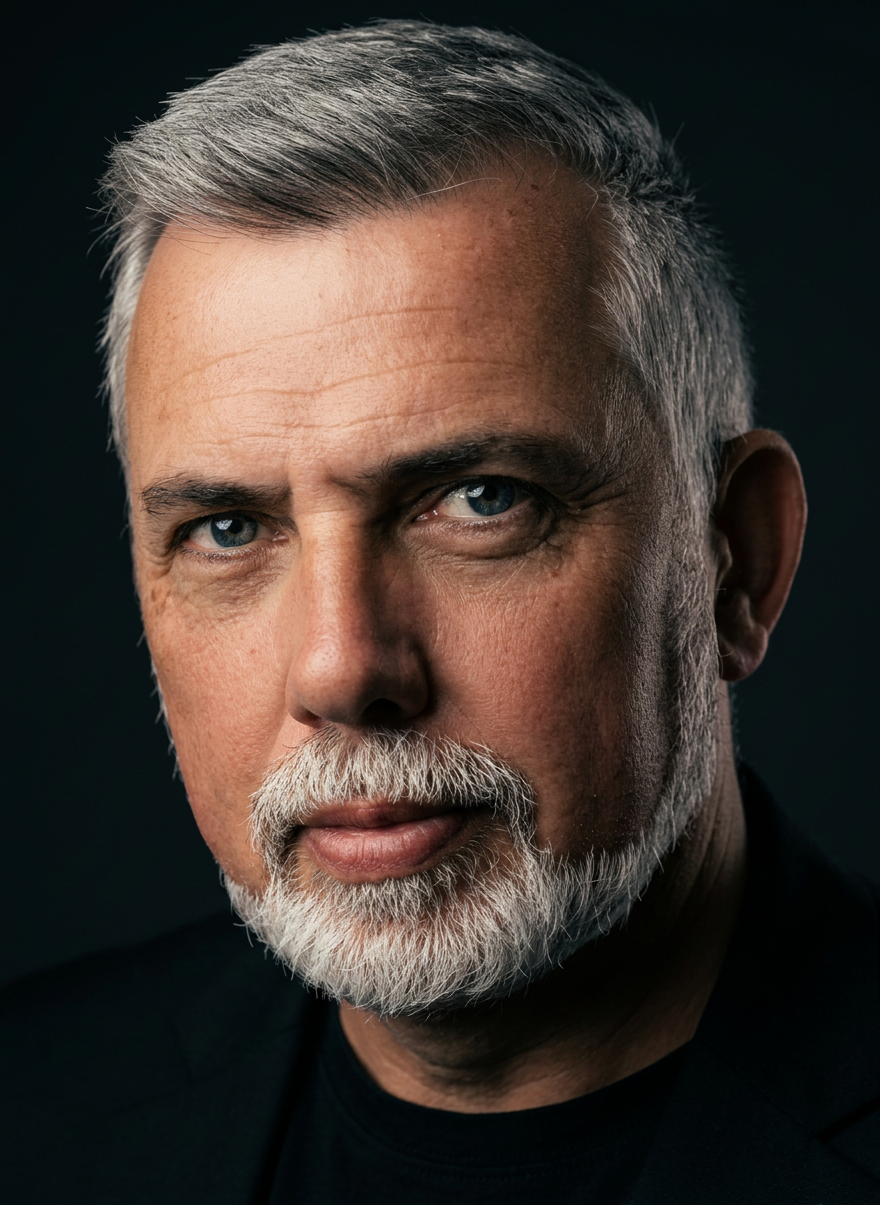
Author profile

ScottColebourn

Technology leader, platform builder, and pragmatic AI operator with 35+ years spent turning new computing waves into products, teams, and working systems. The through-line is practical delivery: making emerging technology useful, governable, and resilient inside real organisations.

35+years in technology
Large Scale Enterpriseplatforms, governance, and delivery
Rapid Scaleupfrom Seattle to Shanghai, Shoreditch, and Stockport

The short version

Four decades of computing, told from the machinery room.

Scott started in software when systems were heavy, expensive, and close enough to the metal that you could still feel the bolts. Since then, the work has moved through healthcare software, global web platforms, mobile products, agile transformation, immersive computing, and now AI systems that reason across messy organisational knowledge through AIGENTEC and AeXO.

Digital Opium is the notebook that falls out of that journey: part memoir, part operating manual, part warning label. It is interested in the bit most technology commentary skips over, the place where architecture, incentives, people, and delivery reality collide.

Career arc

From clinical workflows to agentic platforms.

1995-1999

Healthcare software

Lead developer and architect on award-winning clinical workflow software, learning early that good technology earns trust by reducing real operational friction.

2000-2013

Microsoft and MSN

Built and led web, live-site, distributed development, mobile, entertainment, and sport product teams across London, Shanghai, Singapore, and global MSN markets.

2014-2016

Allianz digital and agile

Led web strategy, platform consolidation, Scrum adoption, engineering excellence, and scaled agile transformation across enterprise delivery teams.

2017-2024

Spatial computing and AI

Shaped VR, AR, analytics, immersive platforms, and AI product strategy for Mesmerise and IQXR, including enterprise work for major global brands.

2024-now

AIGENTEC, AeXO, and Digital Opium

Focused on agentic platforms, expert agent systems, model training, and the harder question of how AI should expand human capability rather than erase it.

Point of view

Technology keeps changing costume. The plot is more familiar than people admit.

There is always a new interface, a new platform, a new promise that this time the machinery will become simple. Sometimes it does. More often, complexity just moves house. Scott's writing is at its best in that gap: enthusiastic about the tools, allergic to empty hype, and stubbornly interested in whether the thing actually improves the work.

Builder over spectator

The essays come from someone who has shipped platforms, built teams, carried delivery risk, and had to make the strategy survive contact with Monday morning.

AI with a memory

The current AI wave is treated as a continuation of computing history, not an isolated miracle. That long view makes the optimism sharper and the scepticism more useful.

Human capability first

The recurring argument is simple: the best systems do more than automate tasks. They help people understand, decide, coordinate, and act with greater confidence.

Keep reading

The archive is the fuller biography.

Start with the newest posts for the AI argument, or go back through the older essays to see the through-line from software delivery to platform strategy to applied machine intelligence.