In my 35-year IT career, I have not seen many step-change technologies as divisive as AI. The conversation around its impact tends to cluster into four camps. I am deliberately grouping data science, machine learning, and generative AI together here, even though that simplification is part of the broader confusion.
- AI is existentially dangerous and should be constrained aggressively before it causes irreversible harm.
- AI is deeply transformative and will reshape how we work and live over the coming years.
- AI is useful but uneven; it will improve many workflows, though not always dramatically or universally.
- AI is mostly hype, driven by market incentives and consultancy cycles, with little long-term substance.
For the record, I sit in Camp 2, while recognising that Camp 3 is a fair and often pragmatic position.
The Adoption Stigma
What I find most interesting is that as AI tools become more accessible and more useful, stigma around using them also seems to increase, especially in the technology sector. Even mentioning AI can trigger defensive reactions.
Developers who insist they never touch Copilot, designers who claim prompting tools are irrelevant, and product managers who avoid newer assistants often project a culture where AI is not just frowned upon, but actively dismissed.
What the Real World Looks Like
I recently saw a social post from a digital agency leader threatening to fire employees if they opened ChatGPT. Yet outside these performative positions, adoption continues to accelerate.
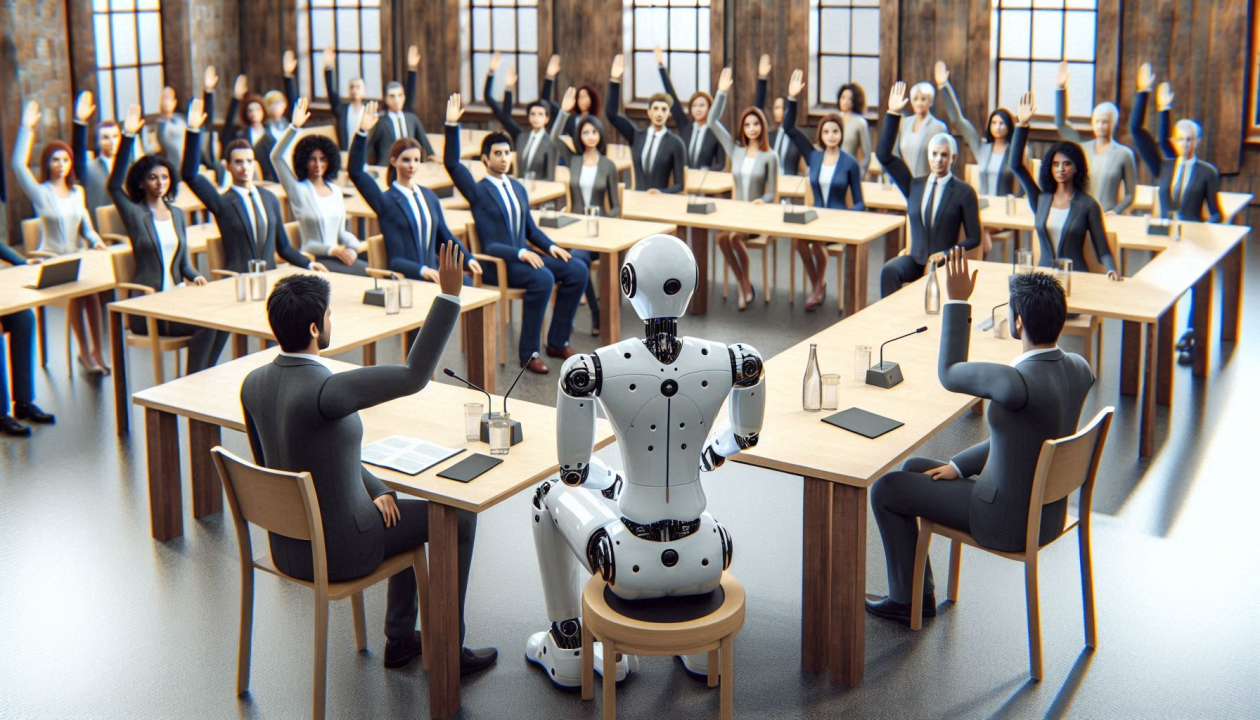
At a local Chamber of Commerce event where I spoke about AI agents, a show of hands suggested that most attendees were already using some form of AI to improve productivity and workflow quality. Solicitors were using local LLMs to summarise documents, recruiters were optimising listings, and project managers were using Copilot to improve documentation output. What struck me was not just the variety of use cases, but the pragmatism. Nobody in that room was talking about AGI or existential risk. They were solving for time.
Where I Land
The overall mood in that room was clear: many people do not fully understand the internals, but they can articulate practical use cases and tangible benefit. That matters.
I recognise the limitations of today's models, transformers included, but I also see their real-world value. For most people, the gains, whether modest or significant, are already visible. Adoption will continue, and it will move quickly. The industry narrative lags behind lived experience — as it often does. By the time consensus forms about what AI can do, most people will already be doing it.